Hot Cross Buns Trumpet: A Fun Way to Learn Music
Learning to play an instrument is a great way to develop creativity and enhance cognitive abilities. The trumpet is one such instrument that has been around for centuries and continues to be popular among music enthusiasts. In this blog post, we will explore how Hot Cross Buns can be used as a fun and easy way to learn the trumpet.
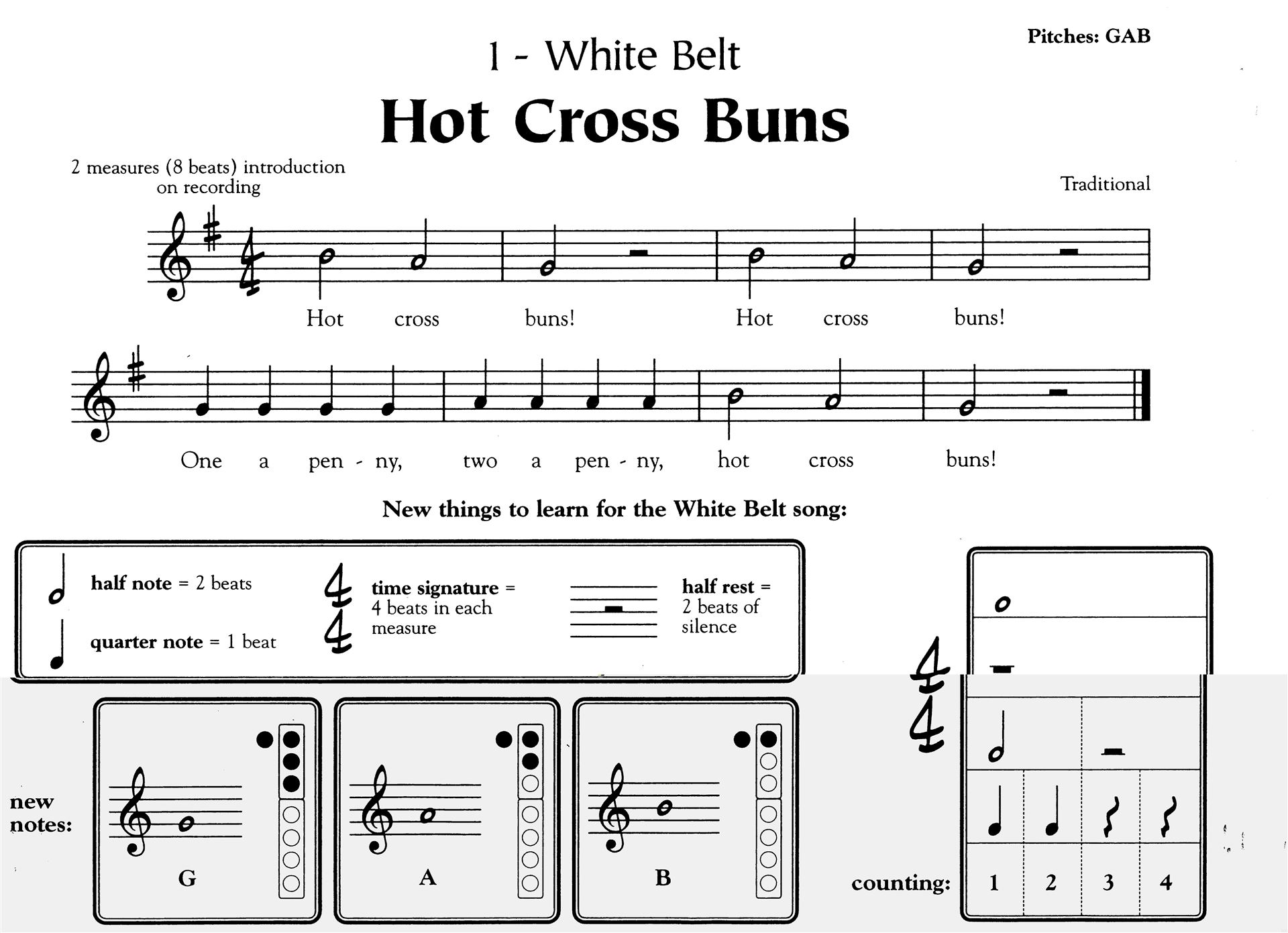
Hot Cross Buns is a simple nursery rhyme that is commonly used to teach children how to play the recorder. However, it can also be used as a learning tool for other instruments, including the trumpet. The basic melody of Hot Cross Buns consists of only three notes, which makes it an ideal piece for beginners to with. By breaking down the melody into smaller parts and practicing each section, beginners can quickly learn how to play the trumpet.
Section 1: History of the Trumpet
The trumpet is one of the oldest musical instruments in the world, dating back to ancient civilizations such as Egypt and Greece. It was initially used for military purposes but eventually evolved into a musical instrument. Over the years, the trumpet has undergone several changes in design and structure, resulting in the modern-day trumpet.
The trumpet is now widely used in various genres of music, including jazz, classical, and pop. It is known for its distinct sound and ability to convey emotion through music.
Section 2: Anatomy of the Trumpet
Before learning how to play the trumpet, it is essential to understand its anatomy. The trumpet consists of several parts, including the mouthpiece, leadpipe, valves, and bell. Each part plays a critical role in producing the sound.
The mouthpiece is responsible for creating a buzzing sound, which then travels through the leadpipe and into the valves. The valves help change the pitch of the notes, while the bell amplifies the sound.
Section 3: How to Play Hot Cross Buns on the Trumpet
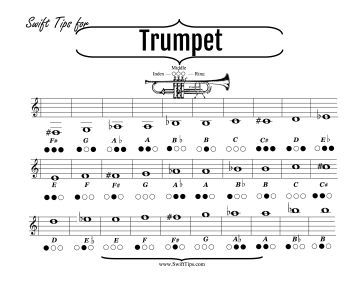
To play Hot Cross Buns on the trumpet, you need to familiarize yourself with the notes. The basic melody of Hot Cross Buns consists of three notes: G, A, and Bb.
by playing the first note (G) and holding it for four beats. Then move on to the next note (A) and hold it for two beats. Finally, play the last note (Bb) and hold it for two beats. Repeat this process until you have mastered the melody.
It is essential to practice each section of the melody separately before putting them together. By doing so, you can break down the melody into smaller parts and focus on perfecting each section.
Section 4: Tips for Playing the Trumpet
Playing the trumpet requires a lot of practice and dedication. Here are some tips that can help beginners improve their skills:
Practice regularly: Consistency is key when it comes to learning how to play the trumpet. Set aside a specific time each day to practice and stick to it.
with the basics: Before moving on to more advanced techniques, make sure you have mastered the basics.
Focus on your breathing: Proper breathing is crucial when playing the trumpet. Practice taking deep breaths and exhaling slowly.
Use a metronome: A metronome can help you keep a steady rhythm while practicing.
Listen to other trumpet players: Listening to other trumpet players can help you develop your own style and technique.
Section 5: Benefits of Learning to Play the Trumpet
Learning to play the trumpet has several benefits, including:
Improved cognitive abilities: Playing an instrument can enhance memory, concentration, and problem-solving skills.
Stress relief: Playing the trumpet can be a great way to relieve stress and improve overall well-being.
Increased creativity: Playing an instrument can help develop creativity and foster self-expression.
Socialization: Joining a band or orchestra can provide opportunities for socialization and networking.
Section 6: Popular Songs to Play on the Trumpet
Once you have mastered Hot Cross Buns, there are several other popular songs that you can learn to play on the trumpet. Some of these include:
- Summertime by George Gershwin
- What a Wonderful World by Louis Armstrong
- All of Me by John Legend
- La Vie en Rose by Edith Piaf
Section 7: Different Types of Trumpets
There are several different types of trumpets, each with its unique sound and purpose. Some of the most common types of trumpets include:
Bb trumpet: The most common type of trumpet used in various genres of music.
C trumpet: Commonly used in orchestral music and known for its bright, clear sound.
Piccolo trumpet: Smaller than a standard trumpet and commonly used in Baroque music.
Section 8: How to Choose a Trumpet
Choosing the right trumpet is essential when it comes to learning how to play the instrument. Here are some factors to consider when choosing a trumpet:
Skill level: Beginners should opt for a trumpet that is easy to play and requires less effort to produce sound.
Brand: Choose a reputable brand that produces high-quality instruments.
Budget: Trumpets can range in price, so determine your budget before making a purchase.
Section 9: Maintaining Your Trumpet
Proper maintenance is crucial when it comes to keeping your trumpet in good condition. Here are some tips for maintaining your trumpet:
Clean your trumpet regularly: Use a cleaning kit to remove dirt and debris from the instrument.
Oil the valves: Apply valve oil to the valves regularly to keep them functioning correctly.
Store your trumpet properly: Keep your trumpet in a protective case when not in use to prevent damage.
Section 10: Trumpet Accessories
There are several accessories available that can enhance your trumpet playing experience. Some of these include:
Mutes: Used to alter the sound of the trumpet.
Music stands: Used to hold sheet music while practicing or performing.
Tuners: Used to ensure that the trumpet is in tune.
Section 11: Learning Resources for Trumpet Players
There are several resources available for those who want to learn how to play the trumpet. Some of these include:
Private lessons: Working with a professional trumpet player can provide personalized instruction and feedback.
Online tutorials: There are several online tutorials and videos available that can help beginners learn how to play the trumpet.
Books and instructional materials: There are several books and instructional materials available that provide step-by-step guidance on how to play the trumpet.
Section 12: Playing the Trumpet as a Career
Playing the trumpet professionally can be a fulfilling career choice. There are several opportunities available, including joining a band or orchestra, performing in musicals or operas, or working as a studio musician.
Section 13: Famous Trumpet Players
There have been many famous trumpet players throughout history, including:
- Louis Armstrong
- Miles Davis
- Dizzy Gillespie
- Doc Severinsen
Section 14: Trumpet Festivals and Competitions
There are several trumpet festivals and competitions held worldwide each year. These events provide opportunities for trumpet players to showcase their skills and network with other musicians.
Section 15: Using Hot Cross Buns to Teach the Trumpet
Hot Cross Buns can be an effective teaching tool for trumpet players of all skill levels. By breaking down the melody into smaller parts and practicing each section, beginners can quickly learn how to play the trumpet. Additionally, Hot Cross Buns can be used as a warm-up exercise for more experienced players.
Hot Cross Buns is a simple nursery rhyme that can be used as a fun and easy way to learn the trumpet. By breaking down the melody into smaller parts and practicing each section, beginners can quickly develop their skills and improve their overall playing ability.
Frequently Asked Questions
Q1. Can I learn how to play the trumpet without any prior musical experience?
Yes, you can learn how to play the trumpet even if you have no prior musical experience. However, it may take more time and dedication to develop your skills.
Q2. How often should I practice the trumpet?
It is recommended to practice the trumpet at least 30 minutes a day, five days a week.
Q3. Do I need to buy a brand new trumpet to playing?
No, you can purchase a used trumpet or rent one from a music store to get ed.
Q4. How long does it take to learn how to play the trumpet?
Learning how to play the trumpet is a lifelong journey, and the amount of time it takes to master the instrument varies from person to person.
Q5. What is the best age to learning how to play the trumpet?
There is no specific age to learning how to play the trumpet. However, it is recommended to at a young age to develop muscle memory and cognitive abilities.
Q6. Is it necessary to read sheet music to play the trumpet?
While reading sheet music is not necessary, it can be helpful in developing your skills and understanding musical notation.
Q7. Can I learn how to play the trumpet online?
Yes, there are several online tutorials and videos available that can help beginners learn how to play the trumpet.
Q8. What are the different types of mouthpieces available for the trumpet?
There are several types of mouthpieces available for the trumpet, including shallow cups, deep cups, and V-shaped cups.
Q9. What is the difference between a cornet and a trumpet?
The main difference between a cornet and a trumpet is the shape of the instrument. Cornets have a conical shape, while trumpets have a cylindrical shape.
Q10. What is the best way to improve my trumpet playing skills?
Consistent practice is the best way to improve your trumpet playing skills. Additionally, working with a professional instructor can provide personalized instruction and feedback.
15 Hot cross buns trumpet Images
Pin By Laurel Jones On Recorder Sheet Music Recorder Karate Recorder

Crumpet The Trumpet Kindergarten Music Crumpets Pluto The Dog

Rakuten Cross Highquality Comfortable Clever Cross Snoopy And Trumpet

25 Best Recorder Songs For Beginners Images On Pinterest Flute Music
Pin On Trumpet

Bird Whistles For Feast Of Trumpets Feast Trumpets Whistle

Hot Cross Buns Music Sheet Easter Inspirations Pinterest Music

King Trumpet Mushroom Steam Buns With Miso Butter Japanese Sweet

Trumpet Cross Stitch Stitch Trumpet

Hallis Hudson Brass Trumpet

100 Easy Strike Up The Band Ideas Musical Instruments Instruments

Hot Cross Buns Orff Arrangement Orff Arrangements Music Teachers

Cross Sweetheart Trumpet Wedding Dresses With Pleated Skirt Wedding

900 Hot Cross Buns Recipe Ideas Hot Cross Buns Recipe Cross Buns

Hot Cross Buns 2 Kids Free Piano Sheet Music PDF Piano Sheet
Post a Comment for "Hot Cross Buns Trumpet: A Fun Way to Learn Music"